Factor4 is a CO2 neutral organization
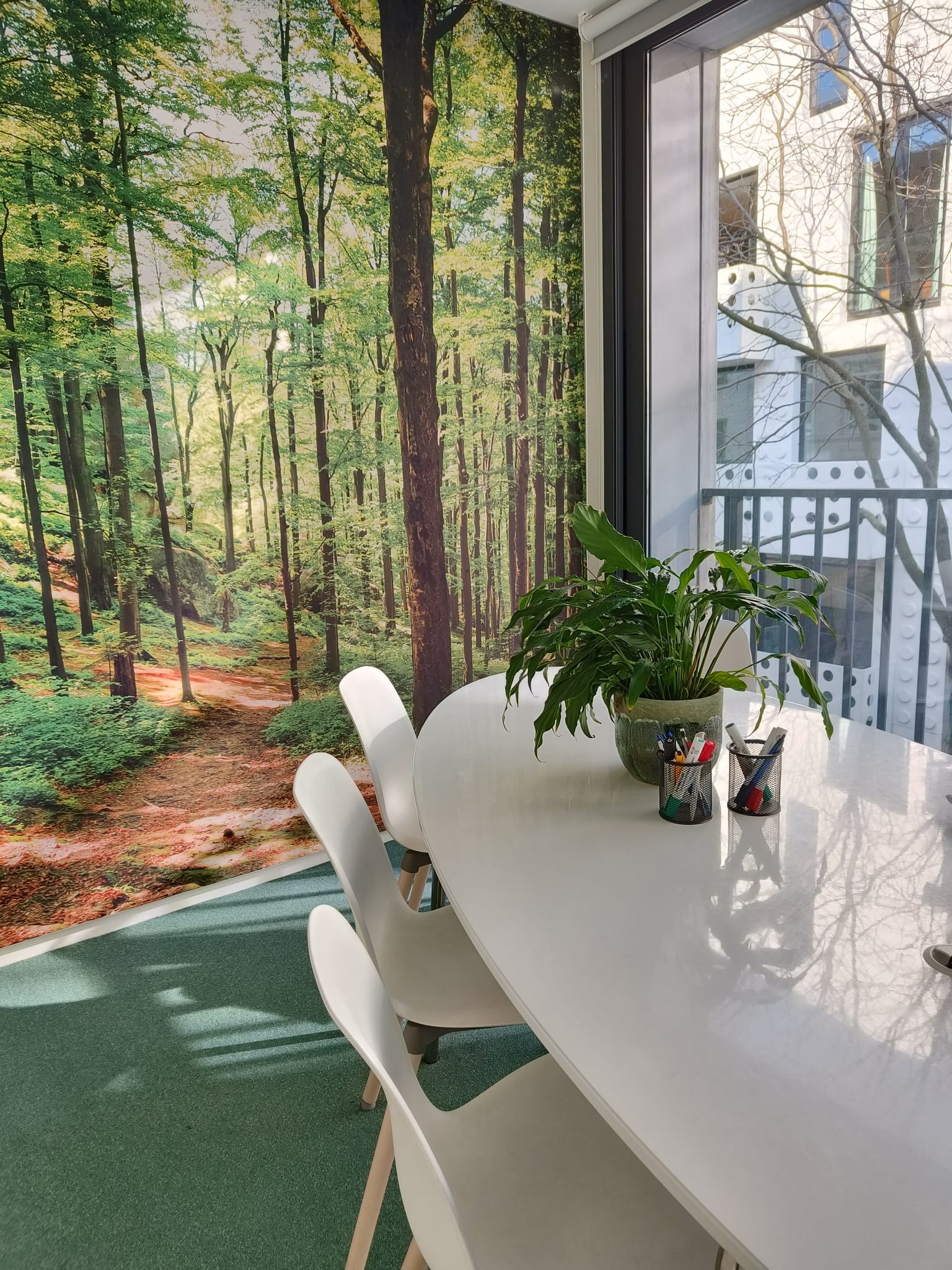
Practice what you preach. Sustainability is in Factor4's DNA. Not only do we help others reduce their energy consumption and CO₂ emissions, we do it ourselves. Factor4 is a CO₂-neutral organization: we limit our own emissions as much as possible and offset the remaining emissions through a sustainable climate project.
How do we minimize our CO₂ emissions?
- We try to keep car use to a minimum. We do most of our travelling by public transport or bicycle. We make maximum use of the combination of train + BlueBike/folding bike, electric (shared) cars or carpooling.
- We consciously choose an office located just 5-minute walk from Antwerp Central Station (Mobiscore 9.9/10).
- We use a shared office where resources are shared with other entrepreneurs: common kitchen, meeting rooms, printers, and scanners. This helps limit our impact in terms of material and space usage.
- We embrace the principle of the paperless office and have built an IT infrastructure that allows full electronic management of projects.
Using Regreener's Footprint Navigator, we calculated our carbon emissions and more than offset them by participating in a sustainable climate project. We support tree planting in Zambia to contribute to a healthier climate. More information about this project: https://regreener.earth/nl/projecten/bomen-groeien-in-zambia
Want to work on your CO₂ footprint yourself? Let us know, we will help you map, report, reduce and compensate!
Recent articles
IPMVP Training – Measurement & Verification (M&V) by Sven Wuyts
Factor4 is organizing a practical training on IPMVP – Measurement & Verification (M&V), the international standard for accurately measuring and proving energy savings. Click for more information.

Province of West Flanders decarbonises six sites through innovative energy performance contract
The Province of West Flanders is taking an important step in the decarbonisation of its building portfolio.
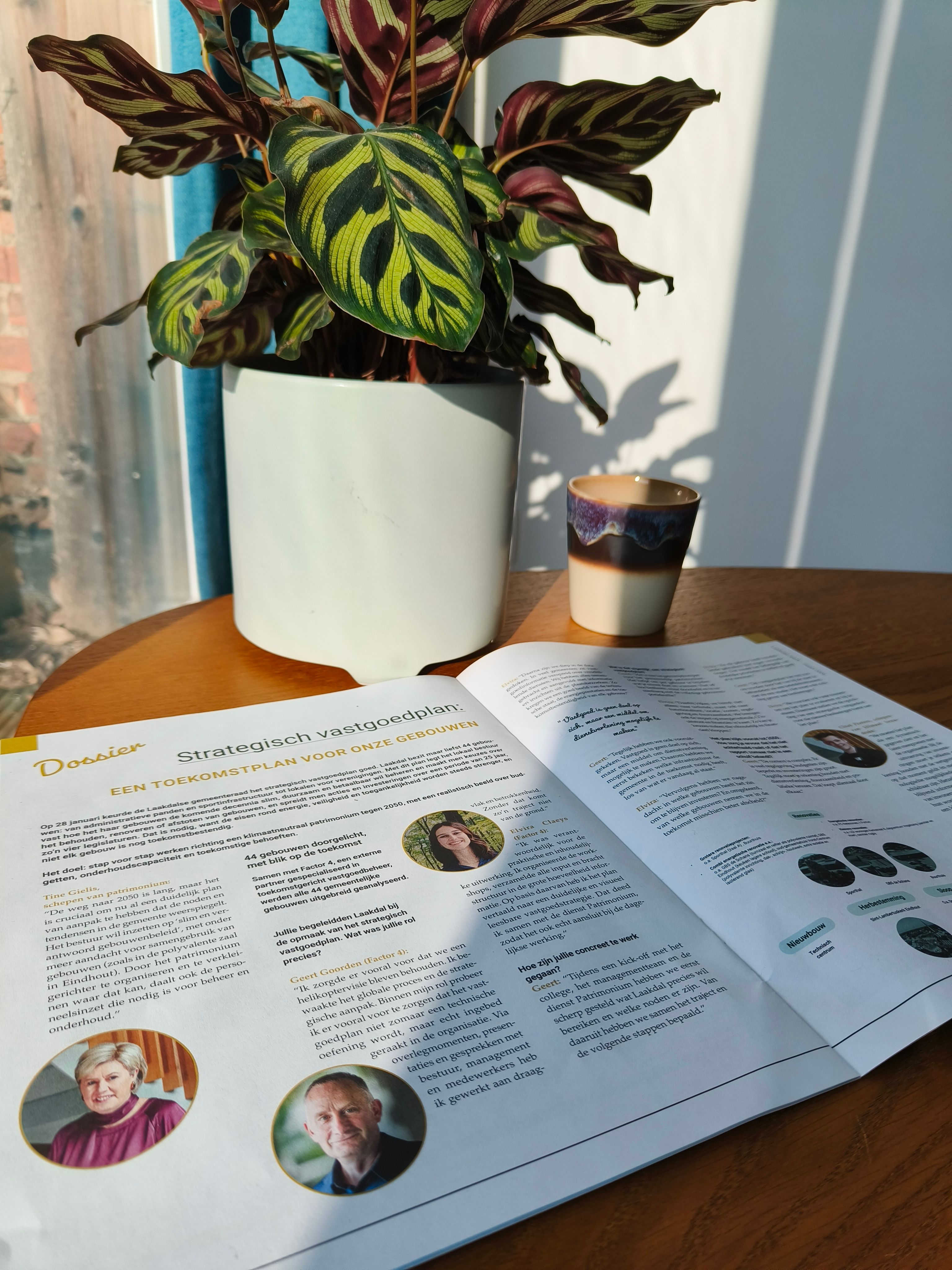
Strategic real estate plan for Laakdal approved by municipal council
Factor4 supported Laakdal in the development of the strategic real estate plan. The objective: to structurally align municipal real estate with the public services provided by the local authority, both today and towards 2050.