ETS2: The next Step in energy transition
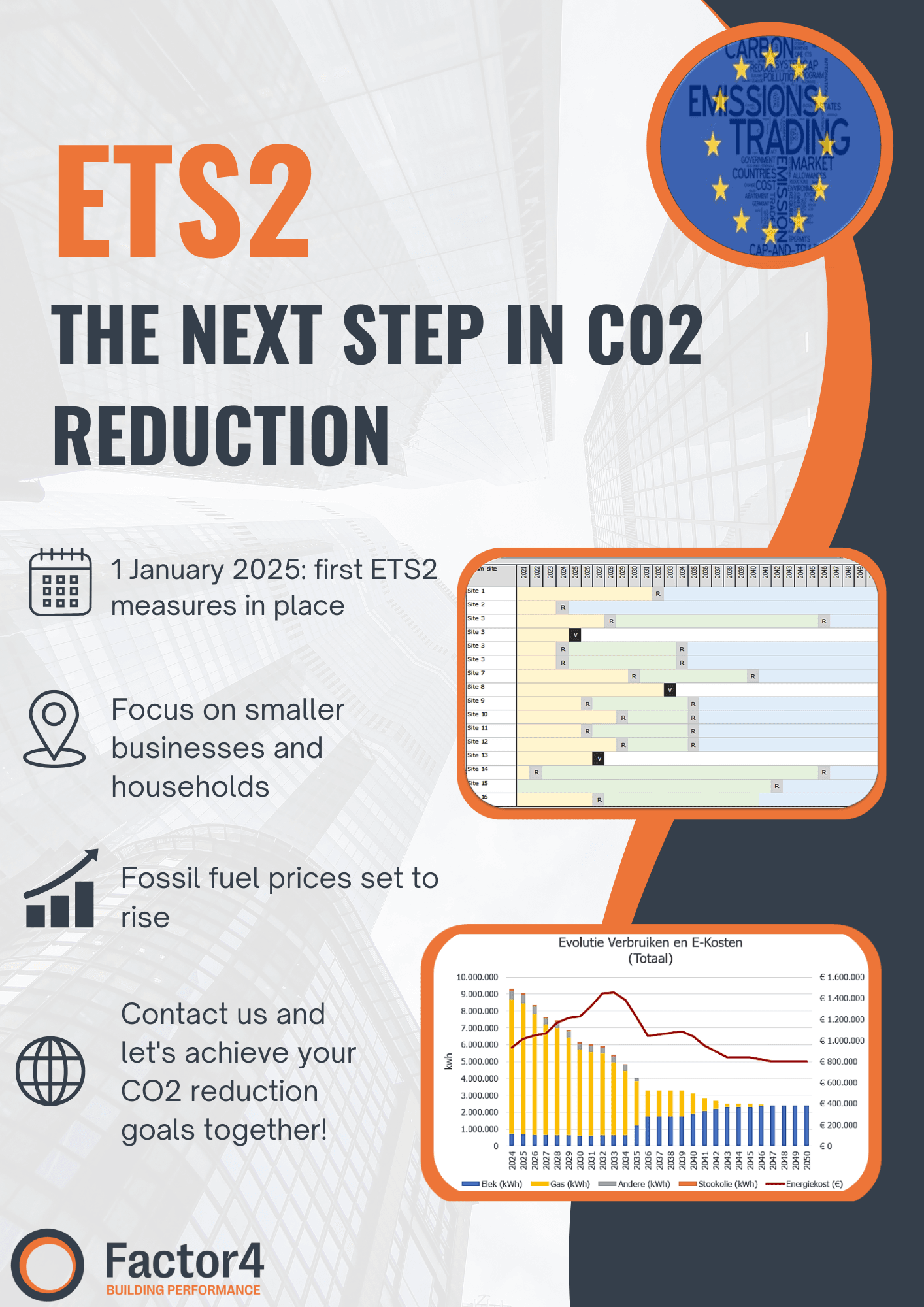
From 1 January, fuel suppliers will have to track and report their fossil fuel purchases. This is a crucial preparatory step. ETS2 will become fully operational in 2027. While the exact consequences are not yet entirely clear, one thing is certain: fossil fuels will become significantly more expensive.
On 1 January, the first measures of the new European CO2 emissions trading system, ETS2, entered into force. This system is an extension of the existing ETS, which has applied to energy-intensive companies since 2005. ETS has proven to be effective: a smart system of CO2 emission certificates has already reduced the average emissions of participating companies by around 40%. Now, it‘s time for the next step.
What is ETS2?
ETS2 is specifically aimed at smaller companies and households. The goal? To reduce CO2 emissions from heating and transport by at least 42% by 2030 compared to 2005 levels. This is an important step towards achieving Europe's ‘Fit for 55’ targets.
Preparing for the Future
When drawing up strategic real estate plans for our clients, we already take into account the expected price increases of fossil fuels. Our approach focuses on:
- Optimization of building use: More efficient use of buildings reduces costs.
- Energy efficiency measures: Including better insulation and energy-efficient installations.
- Electrification of heating systems: Helping to gradually phase out fossil fuels.
These measures not only reduce the property's CO2 emissions, but also keep energy costs manageable.
Would you also to develop a strategic real estate plan to make your buildings future-proof? Contact us and discover the possibilities!
Recente artikelen

Opleiding IPMVP – Measurement & Verification (M&V) door Sven Wuyts
Factor4 organiseert een praktische opleiding over IPMVP – Measurement & Verification (M&V), de internationale standaard om energiebesparingen correct te meten en te bewijzen. Klik voor meer informatie.

Provincie West-Vlaanderen verduurzaamt zes sites via innovatief energieprestatiecontract
De Provincie West-Vlaanderen zet een belangrijke stap in de verduurzaming van haar patrimonium.

Strategisch vastgoedplan voor Laakdal goedgekeurd door de gemeenteraad
Factor4 begeleidde Laakdal bij de opmaak van hun strategisch vastgoedplan. Het doel: het gemeentelijk vastgoed structureel afstemmen op de maatschappelijke aanbod van het lokaal bestuur, vandaag én richting 2050.